


Snakes Found in the Andaman Islands: A Guide to the Island’s Silent Residents
The Andaman Islands are a biodiversity hotspot, home to dense tropical forests, mangroves, wetlands, and coral reefs. These varied ecosystems support a wide range of reptiles, especially snakes. While snakes often trigger fear, they are among the most misunderstood creatures on the islands.
In reality, snakes in the Andamans are mostly secretive, non-aggressive, and play a crucial role in maintaining ecological balance.
Diversity of Snakes in the Andaman Islands
The Andaman and Nicobar Islands host more than 20 species of snakes, including terrestrial, arboreal, and marine species. Some of these snakes are endemic, meaning they are found nowhere else in the world. Due to the islands’ isolation from mainland India, many species have evolved unique traits over time.
Snakes here can broadly be classified into:
Venomous land snakes
Non - venomous land snakes
Sea snakes
Habitats Where Snakes Are Commonly Found
Snakes in the Andamans occupy different habitats depending on their species:
Rainforests: Home to pit vipers, cat snakes, and kukri snakes
Mangroves & wetlands: Favored by pythons and water snakes
Plantations & villages: Some species adapt well to human surroundings
Tree canopies: Vine snakes and cat snakes
Coastal waters: Sea snakes around coral reefs
Because of this diversity, snakes may occasionally be seen near trekking trails, roads, or even resort surroundings - especially during the rainy season.
Seasonal Snake Activity in the Andamans
Snake sightings increase during:
Monsoon season (May – October)
Early mornings and evenings
After heavy rainfall, when snakes move to higher ground
During monsoons, snakes are more active due to increased prey availability such as frogs and rodents.
More About Common Snakes of the Andamans
Andaman Cobra
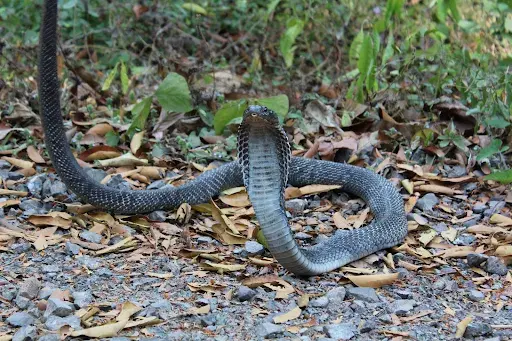
A powerful yet cautious snake, the Andaman Cobra prefers forest edges and agricultural areas. It controls rodent populations and avoids unnecessary conflict. When threatened, it raises its hood as a warning rather than striking immediately.
Venomous: Yes
Behavior: Shy, defensive
Special Note: This species is endemic to the Andaman Islands.
Andaman King Cobra

The Andaman King Cobra is the largest venomous snake found in the Andaman Islands. It is mainly seen in dense rainforests and undisturbed forest areas. This snake avoids human contact and prefers to retreat when encountered. It becomes defensive only if threatened or if its nesting area is disturbed.
Venomous: Yes
Behavior: Shy, alert, defensive when provoked
Special Note: It feeds mainly on other snakes and plays an important role in maintaining forest balance.
Andaman Wolf Snake

The Andaman Wolf Snake is a small, non - venomous snake commonly found in forests, plantations, and sometimes near houses. It is mostly active at night and feeds on lizards and small rodents. Although it may look aggressive and can bite if handled, it is harmless to humans.
Venomous: No
Behavior: Nocturnal, shy, defensive when disturbed
Special Note: Often mistaken for venomous snakes due to its dark color and sharp teeth.
Andaman Pit Viper
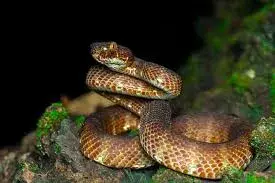
Perfectly camouflaged, this snake often remains still for long periods. Many bites occur accidentally when people step on them at night. Using a torch while walking greatly reduces risk. It is usually active at night and may be seen resting on tree branches or forest floors.
Venomous: Yes
Behavior: Slow - moving, avoids humans
Special Note: Bites are rare and usually occur when stepped on accidentally.
Emerald Bronze-back Tree Snake

The Emerald Bronze - back Tree Snake is a slender, fast-moving snake commonly found in forests, gardens, and tree - covered areas of the Andaman Islands. It is active during the day and is often seen moving swiftly through bushes and trees. This snake is harmless to humans and feeds mainly on frogs and lizards.
Venomous: No
Behavior: Diurnal, alert, quick to escape
Special Note: Known for its bright green-bronze coloration and excellent climbing ability.
Sea Snakes

Sea snakes are among the most venomous snakes in the world, yet they rarely bite humans. They are curious and may approach divers, but attacks are extremely rare unless handled.
Venomous: Yes
Habitat: Ocean and coral reefs
Important: Never try to handle them, even if they appear dead.
Role of Snakes in the Island Ecosystem
Snakes are vital for:
Controlling rat and rodent populations
Maintaining balance in the food chain
Preventing crop damage and disease spread
Removing snakes can disturb the ecosystem and lead to an increase in pests.
Common Myths About Snakes in the Andamans
- “All snakes are deadly”
Most snakes are harmless or mildly venomous
-“Snakes chase humans”
Snakes flee when given space
- “Killing snakes prevents danger”
Killing snakes increases ecological imbalance
Safety Tips for Residents and Visitors
Wear closed footwear while walking outdoors
Use a flashlight at night
Avoid tall grass and dense bushes
Do not attempt to touch or photograph closely
Call trained snake rescuers if one enters your area
Conservation and Legal Protection
Snakes in the Andaman Islands are protected under the Wildlife Protection Act of India. Killing or harming them is illegal. Many local wildlife rescue teams safely relocate snakes back into forests.
Snakes are silent guardians of the Andaman ecosystem. They are not villains, but vital contributors to the islands’ natural balance. Understanding and respecting them allows humans and wildlife to coexist peacefully.
For travelers and residents alike, learning about snakes helps replace fear with awareness - and ensures safer, more meaningful experiences in the Andaman Islands.


