Common Fish Species Seen Around Havelock Island: A Guide to the Underwater World
The crystal-clear waters surrounding Swaraj Dweep are home to one of India's richest marine ecosystems. Whether you're snorkeling in shallow lagoons or scuba diving among vibrant coral reefs, Havelock Island offers an incredible opportunity to observe a diverse range of tropical fish in their natural habitat.
Why Havelock's Waters Are So Rich in Marine Life
The coral reefs around Havelock provide food, shelter, and breeding grounds for hundreds of fish species. These reefs form part of the larger Andaman marine ecosystem, which is known for its healthy coral cover and exceptional biodiversity.
Common Fish Species You May Encounter
Red Snapper

Red Snapper is a vibrant reef fish commonly found in the waters around Havelock Island. Recognizable by its reddish-pink body and sharp features, it inhabits coral reefs and rocky seabeds. These carnivorous fish feed on smaller fish, shrimp, squid, and other marine creatures, helping maintain the balance of the reef ecosystem.
Highly valued for its firm, flavorful meat, Red Snapper is a popular catch among local fishermen and a favorite seafood choice for visitors. Spotting a Red Snapper while diving or snorkeling is a reminder of the rich marine biodiversity that thrives beneath Havelock's crystal-clear waters.
Clownfish (Amphiprioninae)

Clownfish are among the most beloved marine species found in the waters of Havelock Island. Their bright orange bodies with distinctive white bands make them easy to recognize. These small fish live in a fascinating symbiotic relationship with sea anemones. While the anemone's tentacles can sting most fish, clownfish have a protective mucus layer that allows them to live safely among them.
Clownfish are highly territorial and rarely venture far from their host anemone. They feed on small crustaceans, plankton, and algae. Divers and snorkelers often spot them peeking out from the tentacles of anemones, creating one of the most iconic sights on the reef.
Parrotfish (Scaridae)

Parrotfish are some of the most important fish for maintaining healthy coral reefs. Named for their beak-like teeth, these colorful fish spend much of their day scraping algae from coral surfaces. This feeding behavior prevents algae from overwhelming coral reefs and allows corals to thrive.
One of the most fascinating facts about parrotfish is that they produce much of the white sand found on tropical beaches. As they consume coral while feeding on algae, they grind it into fine particles that are later excreted as sand. A single large parrotfish can produce hundreds of kilograms of sand each year.
Butterflyfish (Chaetodontidae)

Butterflyfish are among the most colorful and elegant inhabitants of Havelock's coral reefs. Their bodies display striking combinations of yellow, black, white, and orange patterns, making them favorites among underwater photographers.
These fish are often seen swimming in pairs, particularly during breeding seasons. Many species feed on coral polyps, small invertebrates, and plankton. Their presence is often considered an indicator of a healthy reef ecosystem, as they rely heavily on living corals for food and shelter.
Angelfish (Pomacanthidae)

Angelfish are renowned for their brilliant colors and graceful movements. Juvenile angelfish often display completely different color patterns from adults, making them particularly interesting to observe throughout their life cycle.
These fish inhabit coral-rich areas where they feed on sponges, algae, and small marine organisms. Their flattened bodies allow them to maneuver easily through narrow crevices in the reef. Angelfish play an important ecological role by helping maintain the balance between various reef organisms.
Surgeonfish (Acanthuridae)

Surgeonfish are easily identified by the sharp, scalpel-like spines located near their tails. These spines serve as a defense mechanism against predators and are the reason for their unusual name.
Typically found grazing on algae-covered rocks and corals, surgeonfish help prevent excessive algae growth on reefs. They often travel in large schools, creating impressive underwater displays. Their constant feeding activity contributes significantly to reef health and stability.
Lionfish (Pterois)

Lionfish are among the most visually striking fish found in tropical waters. Their bodies are adorned with bold stripes and long, fan-like venomous spines that provide protection from predators.
Despite their beauty, lionfish are skilled hunters that feed on smaller fish and crustaceans. They use their large fins to corner prey before striking with remarkable speed. Divers should admire lionfish from a safe distance and avoid contact with their venomous spines.
Moorish Idol (Zanclus cornutus)

The Moorish Idol is one of the most recognizable fish species in the Indo-Pacific region. Its distinctive black, white, and yellow coloration, combined with a long trailing dorsal filament, gives it an elegant appearance.
These fish are often seen swimming in pairs or small groups around coral reefs. They feed primarily on sponges, algae, and tiny invertebrates. Their striking appearance makes them one of the most photographed marine species around Havelock Island.
Damselfish (Pomacentridae)
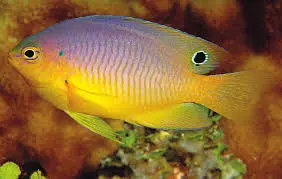
Damselfish may be small, but they are among the most territorial fish on the reef. They aggressively defend patches of algae that they cultivate as food sources, often chasing away fish much larger than themselves.
Their vibrant blue, yellow, and black colors add life to coral reefs. Because of their abundance and energetic behavior, damselfish are often among the first species spotted by beginner snorkelers.
Fusiliers (Caesionidae)
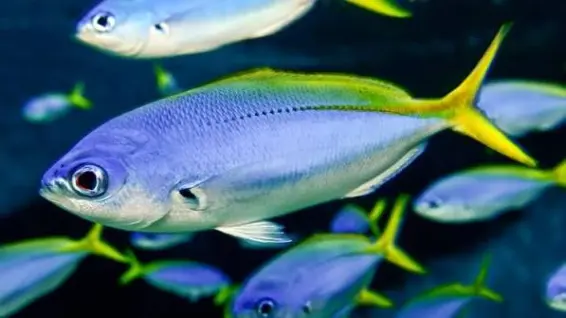
Fusiliers are sleek, fast-swimming fish that typically travel in large schools. Their shimmering blue and silver bodies create breathtaking underwater spectacles as hundreds of individuals move together in synchronized patterns.
These fish feed mainly on plankton in open water and serve as an important link in the marine food chain. Their schools attract larger predators such as trevallies, barracudas, and reef sharks.
Triggerfish (Balistidae)

Triggerfish are known for their distinctive shape, powerful jaws, and curious personalities. They feed on sea urchins, crustaceans, mollusks, and other hard-shelled prey, using their strong teeth to crush shells with ease.
During nesting season, some species become highly protective of their territories. Divers who respect their space can safely observe these intelligent and fascinating fish as they patrol the reef.
Barracuda

Barracudas are among the most fascinating predators found in the waters around Havelock Island. Known for their long, streamlined bodies, powerful jaws, and sharp teeth, these fish are built for speed and can move through the water with remarkable agility. Their silvery appearance helps them blend into the surrounding ocean, making them highly effective hunters.
Barracudas primarily feed on smaller fish and are often seen swimming alone or in small groups near coral reefs and deeper waters. Despite their fierce appearance, they rarely pose a threat to humans. Encountering a barracuda while diving is an exciting experience and highlights the diversity and health of Havelock's marine ecosystem.
Larger Marine Species You Might Spot
Lucky visitors may also encounter:
Green Sea Turtle
Hawksbill Sea Turtle
Reef Shark
Stingray
Giant Trevally
These species contribute to the vibrant and balanced marine ecosystem that makes Havelock a world-class diving destination.
Best Places to See Fish Around Havelock
Some of the most popular underwater locations include:
Elephant Beach
The Wall
Aquarium
Lighthouse
These sites offer excellent visibility and abundant marine life throughout much of the year.
Responsible Marine Tourism
When exploring Havelock's underwater world:
Avoid touching corals or marine animals.
Maintain a safe distance from wildlife.
Do not feed fish.
Use reef-safe sunscreen whenever possible.
Follow instructions from certified dive and snorkeling guides.
Final Thoughts

The waters surrounding Havelock Island are a living aquarium filled with colorful fish, thriving coral reefs, and fascinating marine creatures. Whether you're a first-time snorkeler or an experienced diver, every underwater adventure reveals something new. By respecting and protecting these fragile ecosystems, visitors can help ensure that future generations continue to enjoy the remarkable marine life of Havelock Island.