


A Birdwatcher’s Paradise: Havelock Island’s Avian Treasures
- Mar 10
- 3 min read
Havelock Island, located in the Andaman and Nicobar Islands, is a biodiversity-rich destination known for tropical forests, mangroves, coral reefs, and coastal ecosystems. The island supports a wide range of resident and migratory birds, making it an important location for bird watching, wildlife tourism, and ecological studies. Below are some of the most commonly found birds in Havelock Island, along with their scientific names and key characteristics.
1. White-bellied Sea Eagle (Haliaeetus leucogaster)

The White-bellied Sea Eagle is one of the most iconic birds of Havelock Island and is commonly seen near coastlines and open seas.
Color: White head and underparts, dark grey to black wings
Size: Large bird with broad wingspan
Habitat: Coastal areas, beaches, mangroves, open sea
Diet: Fish, sea snakes, small marine animals
Behavior: Strong flier, sharp eyesight, excellent hunter
Ecological Role: Maintains balance in marine food chains
This bird is an indicator of a healthy marine ecosystem and is a major attraction for bird watchers and photographers visiting Havelock Island.
2. Andaman Wood Pigeon (Columba palumboides)

The Andaman Wood Pigeon is a native forest bird found in the dense tropical forests of Havelock Island.
Color: Grey body with white markings on the neck
Size: Medium to large pigeon
Habitat: Tropical evergreen forests
Diet: Fruits, seeds, berries
Behavior: Calm, shy, active during early morning
Ecological Role: Seed dispersal and forest regeneration
Its presence highlights the importance of forest conservation in the Andaman Islands.
3. Pacific Reef Heron (Egretta sacra)
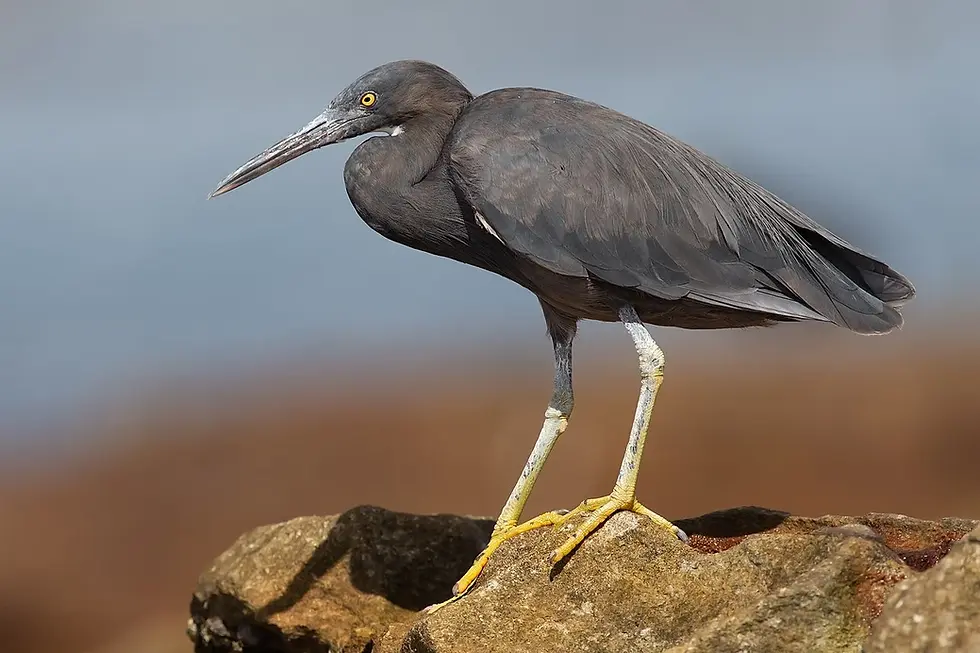
The Pacific Reef Heron is a common coastal bird seen along the shores and coral reef areas of Havelock Island.
Color: White or dark grey (two color forms)
Size: Medium-sized wading bird
Habitat: Rocky shores, beaches, shallow waters
Diet: Fish, crabs, small aquatic animals
Behavior: Slow-moving, patient hunter
Ecological Role: Controls coastal and marine populations
This bird is easy to spot and popular among nature photographers.
4. Andaman Drongo (Dicrurus andamanensis)

The Andaman Drongo is an active insect-eating bird commonly found in forested areas of Havelock Island.
Color: Glossy black feathers
Size: Small to medium
Habitat: Forests, forest edges, open woodlands
Diet: Insects
Behavior: Energetic, loud calls, aerial feeding
Ecological Role: Natural pest control
It plays an important role in maintaining forest health and balance.
5. Common Kingfisher (Alcedo atthis)

The Common Kingfisher is a brightly colored bird found near freshwater sources in Havelock Island.
Color: Bright blue upperparts, orange underparts
Size: Small bird
Habitat: Streams, ponds, mangroves
Diet: Small fish, aquatic insects
Behavior: Fast diving hunter
Ecological Role: Indicator of clean water bodies
Its vibrant colors make it a favorite among tourists.
6. Olive-backed Sunbird (Cinnyris jugularis)

The Olive-backed Sunbird is a small nectar-feeding bird commonly seen around flowering plants in Havelock Island.
Color: Yellow underparts, olive-green back
Size: Small
Habitat: Gardens, forests, flowering trees
Diet: Nectar, insects, spiders
Behavior: Fast-moving, active
Ecological Role: Pollination
This bird supports plant reproduction and biodiversity.
7. Andaman Coucal (Centropus andamanensis)
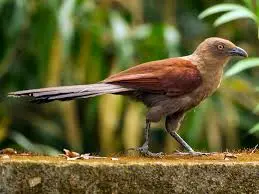
The Andaman Coucal is a large ground-dwelling bird found in thick vegetation across Havelock Island.
Color: Black body, reddish-brown wings, red eyes
Size: Large
Habitat: Dense vegetation, forests
Diet: Insects, frogs, small reptiles
Behavior: Loud calls, shy nature
Ecological Role: Pest and insect control
It is an important bird species for ecosystem balance.
8. Green Imperial Pigeon (Ducula aenea)
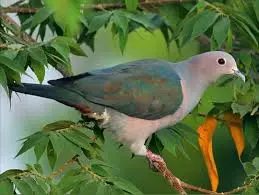
The Green Imperial Pigeon is a canopy-dwelling bird found in tall forest trees of Havelock Island.
Color: Greenish-grey body
Size: Large pigeon
Habitat: Forest canopy
Diet: Fruits and berries
Behavior: Quiet, slow-moving
Ecological Role: Seed dispersal
This bird contributes significantly to forest sustainability.
The birds of Havelock Island represent the island’s rich biodiversity and healthy ecosystems. From coastal birds to forest species, each bird plays a vital role in ecological balance. Bird watching in Havelock Island promotes eco-tourism, conservation awareness, and sustainable travel, making the island a valuable natural treasure in the Andaman and Nicobar Islands.
Long after the trip ends, it’s often these peaceful, unexpected moments in Havelock Island that stay with you. So take a deep breath, listen closely, and let the island’s feathered visitors make your journey truly unforgettable.


